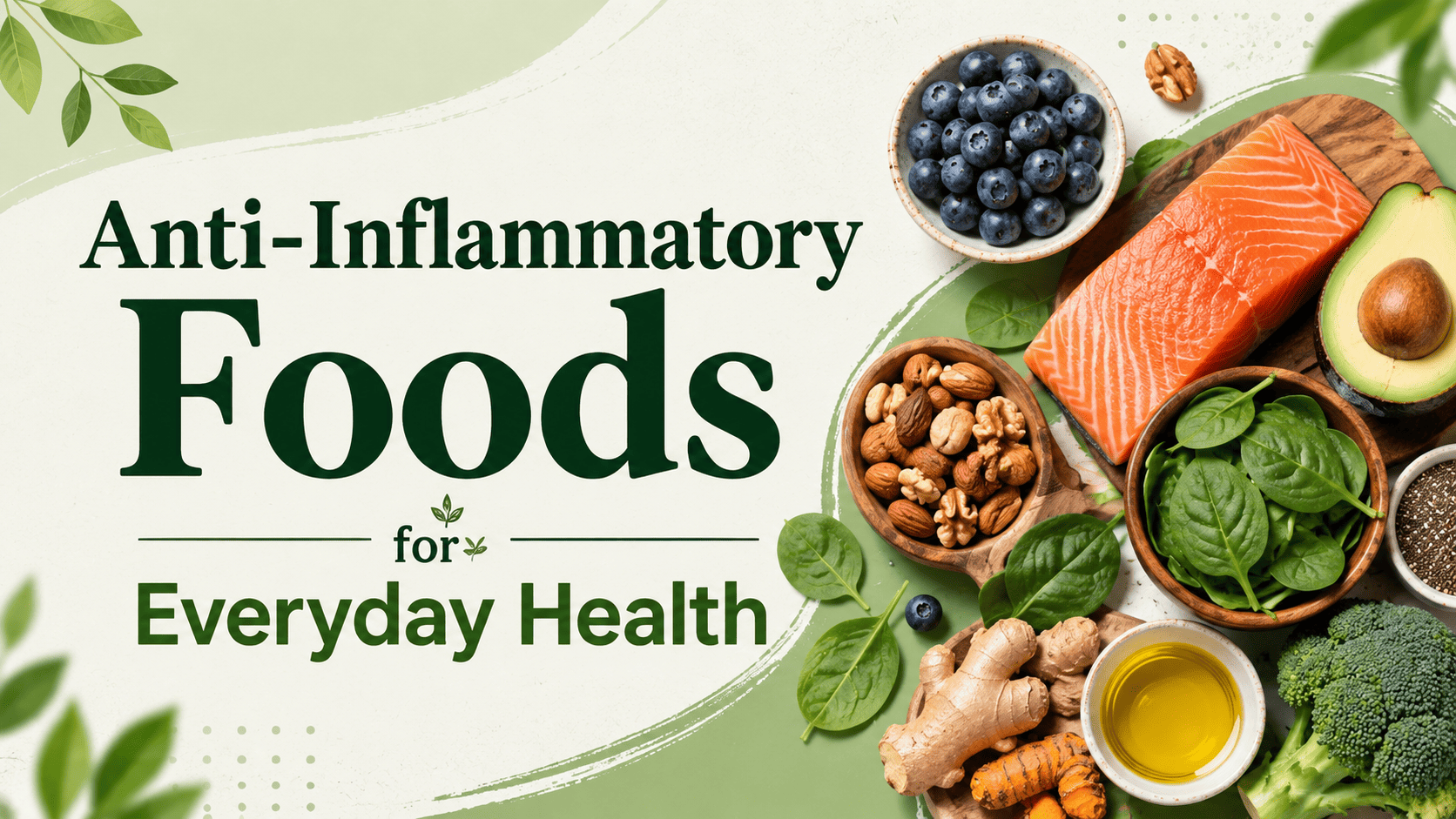
Anti-Inflammatory Foods for Everyday Health
Inflammation is your body’s natural response to injury or infection. In the short term, it plays an essential role in healing and protecting your health. However, when inflammation becomes persistent over time, it may contribute to a range of chronic health conditions.
A Functional Medicine approach focuses on supporting the body’s natural balance through personalised nutrition and healthy lifestyle habits. One of the most effective ways to promote overall wellness is by choosing foods that naturally support a healthy inflammatory response.
What Is Chronic Inflammation?
Unlike acute inflammation, which helps the body heal after an injury or illness, chronic inflammation can develop gradually due to factors such as:
- Poor dietary habits
- Chronic stress
- Inadequate sleep
- Physical inactivity
- Smoking
- Excess body weight
- Environmental factors
Many people may not realise that everyday lifestyle choices can influence inflammation levels.
Foods That Support a Healthy Inflammatory Response
1. Colourful Fruits and Vegetables
Brightly coloured fruits and vegetables are rich in antioxidants, vitamins, minerals, and plant compounds that help protect cells from oxidative stress.
Choose foods like:
- Berries
- Spinach
- Kale
- Broccoli
- Carrots
- Tomatoes
- Bell peppers
Aim to fill at least half your plate with vegetables at each meal.
2. Healthy Fats
Healthy fats play an important role in supporting overall wellness.
Good sources include:
- Extra virgin olive oil
- Avocados
- Nuts
- Seeds
These foods are excellent alternatives to highly processed fats.
3. Omega-3 Rich Foods
Omega-3 fatty acids are well known for supporting heart, brain, and overall health.
Include:
- Salmon
- Sardines
- Mackerel
- Chia seeds
- Flaxseeds
- Walnuts
Aim to include omega-3-rich foods several times each week.
4. Whole Grains
Choose whole grains over refined carbohydrates whenever possible.
Examples include:
- Oats
- Brown rice
- Quinoa
- Barley
- Wholemeal bread
Whole grains provide fibre, which supports digestive health and helps nourish beneficial gut bacteria.
5. Herbs and Spices
Many herbs and spices contain naturally occurring plant compounds that support overall wellness.
Examples:
- Turmeric
- Ginger
- Cinnamon
- Garlic
- Rosemary
- Oregano
Adding herbs and spices is an easy way to enhance both flavour and nutrition.
6. Legumes
Beans, lentils, and chickpeas provide:
- Plant protein
- Fibre
- Vitamins
- Minerals
They make an excellent addition to a balanced diet.
7. Green Tea
Green tea contains natural antioxidants called polyphenols that contribute to overall health.
Replacing sugary beverages with green tea can be a simple healthy habit.
Foods to Enjoy in Moderation
While no single food causes chronic inflammation on its own, reducing highly processed foods may support better health.
Consider limiting:
- Sugary drinks
- Ultra-processed snacks
- Excess refined sugar
- Processed meats
- Deep-fried foods
- Excess alcohol
Balance is more sustainable than perfection.
The Gut-Inflammation Connection
Your digestive system plays an important role in your overall health.
A balanced diet rich in:
- Fibre
- Fruits
- Vegetables
- Fermented foods (where suitable)
- Healthy fats
can help support a healthy gut microbiome, which contributes to overall well-being.
Simple Daily Habits That Support Wellness
Healthy living goes beyond nutrition.
You can also support your health by:
- Getting 7–9 hours of quality sleep
- Staying physically active
- Managing stress
- Drinking enough water
- Spending time outdoors
- Building consistent daily routines
Small changes practiced consistently often have the greatest long-term impact.
A Functional Medicine Perspective
Rather than focusing on symptoms alone, Functional Medicine considers how nutrition, lifestyle, sleep, stress, movement, and environmental factors work together to influence health.
Every individual is unique, which is why personalised nutrition and lifestyle recommendations are central to a Functional Medicine approach.
Final Thoughts
An anti-inflammatory eating pattern is not about following a restrictive diet. It is about choosing a variety of nutrient-rich, whole foods that support your body’s natural processes and overall well-being.
By making simple, sustainable changes to your daily meals and lifestyle, you can build healthy habits that support long-term wellness.
Frequently Asked Questions
What are anti-inflammatory foods?
Anti-inflammatory foods are nutrient-rich whole foods such as fruits, vegetables, whole grains, healthy fats, nuts, seeds, and oily fish that support overall health as part of a balanced diet.
Can diet influence inflammation?
Diet is one of many lifestyle factors that can influence the body’s inflammatory response. A balanced eating pattern combined with regular physical activity, good sleep, and stress management supports overall wellness.
Is Functional Medicine focused only on nutrition?
No. Functional Medicine considers multiple aspects of health, including nutrition, lifestyle, sleep, stress, movement, and environmental factors to create personalised wellness plans.
Which foods are best for everyday health?
A balanced diet including colourful vegetables, fruits, healthy fats, whole grains, legumes, nuts, seeds, and quality protein sources can support overall health and well-being.
